A massive dust storm, or haboob, swept across the Sahara Desert from western Algeria into Mauritania, Morocco, Western Sahara and the Canary Islands on March 30. The dust stretched for more than 1,000 miles.
As meteorologists observed the dust storm from space via weather satellites, social media users captured the incoming dust storm on camera. One video shows a thick wall of dust and sand moving toward a resident of the town of Tindouf, near the Mauritanian, Western Saharan and Moroccan borders.
How does the dust affect tropical storms in the Atlantic?
While this storm didn't make it too far off the coast, significant amounts of dust can drift westward from Africa across the Atlantic beginning in May. This can inhibit tropical storm formation, or the strengthening of an existing system, because the dusty air has about 50% less moisture than the typical tropical atmosphere.
Strong winds in the dust layer can also substantially increase the vertical wind shear in and around the storm environment, potentially disrupting any storm that forms.
LATEST POSTS
- 1
 'Wicked: For Good' was filmed at this surreal National Park in Egypt
 - 2French high-speed train slams into truck, killing TGV driver
- 3The most effective method to Remain Ahead in the Most recent Advanced Patterns with a Web based Advertising Degree
- 4Astonishing Deserts All over The Planet You Really want To Visit
- 5Step by step instructions to Prepare with Senior Protection for Inward feeling of harmony.




- Involved Vehicles for Seniors: Track down the Best Picks for Solace and Dependability
- Fossil analysis changes what paleontologists know about how long T. rex took to grow full size
- Manual for Instructive Application for Youngsters
- A24's 'Backrooms' trailer shows endless fluorescent-lit spaces and terrifying mannequins melting into the floor
- An Extended time of Careful Nurturing: Individual Bits of knowledge on Bringing up Youngsters
- Which Diet Prompts the Incomparable Wellbeing Results?
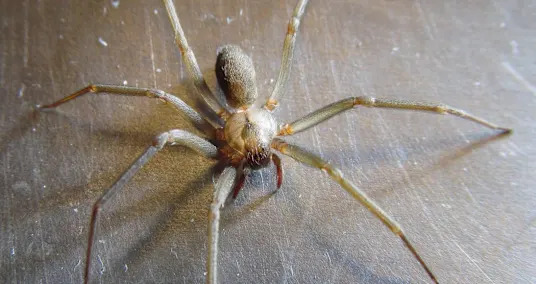
- How does spider venom damage human cells? Researchers uncover the killer mechanism of recluse spider toxin
- Anti-war protests held across Israel under wartime gathering limits
- The 15 Most Compelling Books in History